
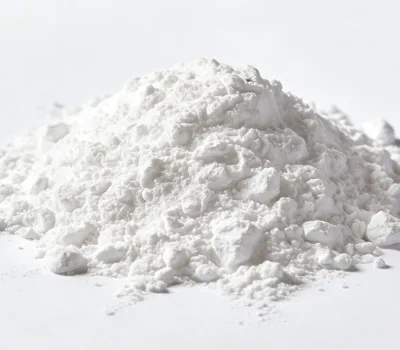
Aluminum Oxide
Aluminum Oxide (Al₂O₃) is a widely used engineering ceramic known for its high hardness, excellent electrical insulation, and strong resistance to wear and corrosion. With good thermal stability and cost efficiency, it is well suited for a broad range of industrial, electronic, and mechanical applications.
Key Advantages
- Low Cost: Abundant raw materials and mature manufacturing processes make it the most widely used and economical engineering ceramic.
- High Hardness & Wear Resistance: Mohs hardness of 9, providing good wear resistance.
- Excellent Electrical Insulation: High electrical resistivity and good high-frequency insulation properties at room temperature.
- Good Chemical Resistance: Resistant to corrosion in both oxidizing and reducing atmospheres and against many chemicals.
Disadvantages
- High Brittleness, Low Toughness: Possesses the lowest fracture toughness among the materials listed.
- Poor Thermal Shock Resistance: Moderate thermal conductivity combined with a relatively high thermal expansion coefficient makes it susceptible to failure under rapid temperature changes.
- Relativity Low Strength: Especially when compared to SiC and Si3N4.
Primary Applications
- Electronic Substrates & Packages: IC substrates, spark plug insulators.
- Wear-Resistance Components: Sealing rings, bushings, nozzles, textile guides.
- Biomedical: Artificial hip joint sockets.
- Corrosion-Resistance Parts: Linings for chemical pumps and valves.